LABOR A
Galerie EIGEN+ART
Spinnereistraße7
D-04179 Leipzig
21.06.2014 – 25.06.2014
Exhibiton views: Christoph Blankenburg
Galerie EIGEN+ART
Spinnereistraße7
D-04179 Leipzig
21.06.2014 – 25.06.2014
Exhibiton views: Christoph Blankenburg
LABOR A
Galerie EIGEN+ART
Spinnereistraße7
D-04179 Leipzig
21.06.2014 – 25.06.2014
Exhibiton views: Christoph Blankenburg
Galerie EIGEN+ART
Spinnereistraße7
D-04179 Leipzig
21.06.2014 – 25.06.2014
Exhibiton views: Christoph Blankenburg
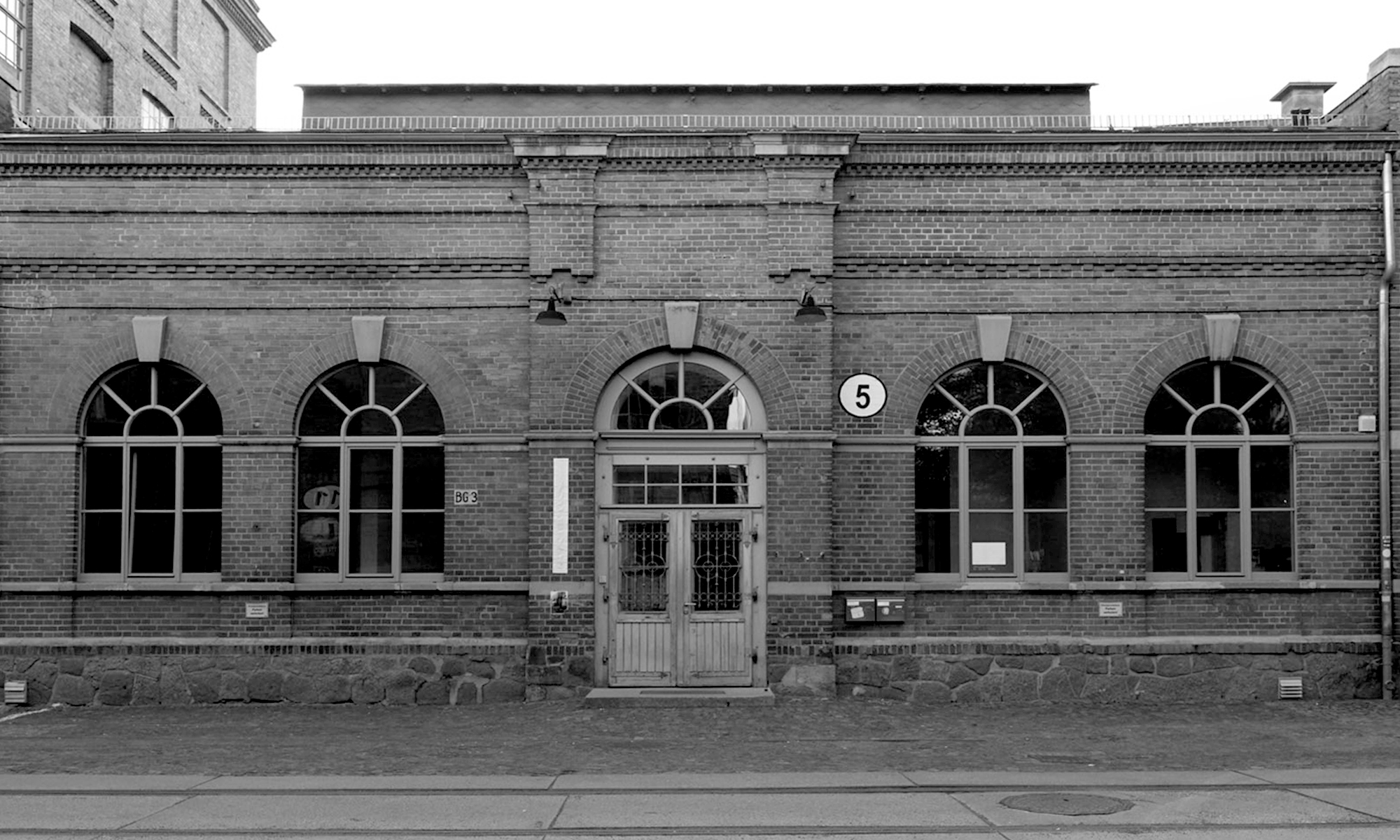
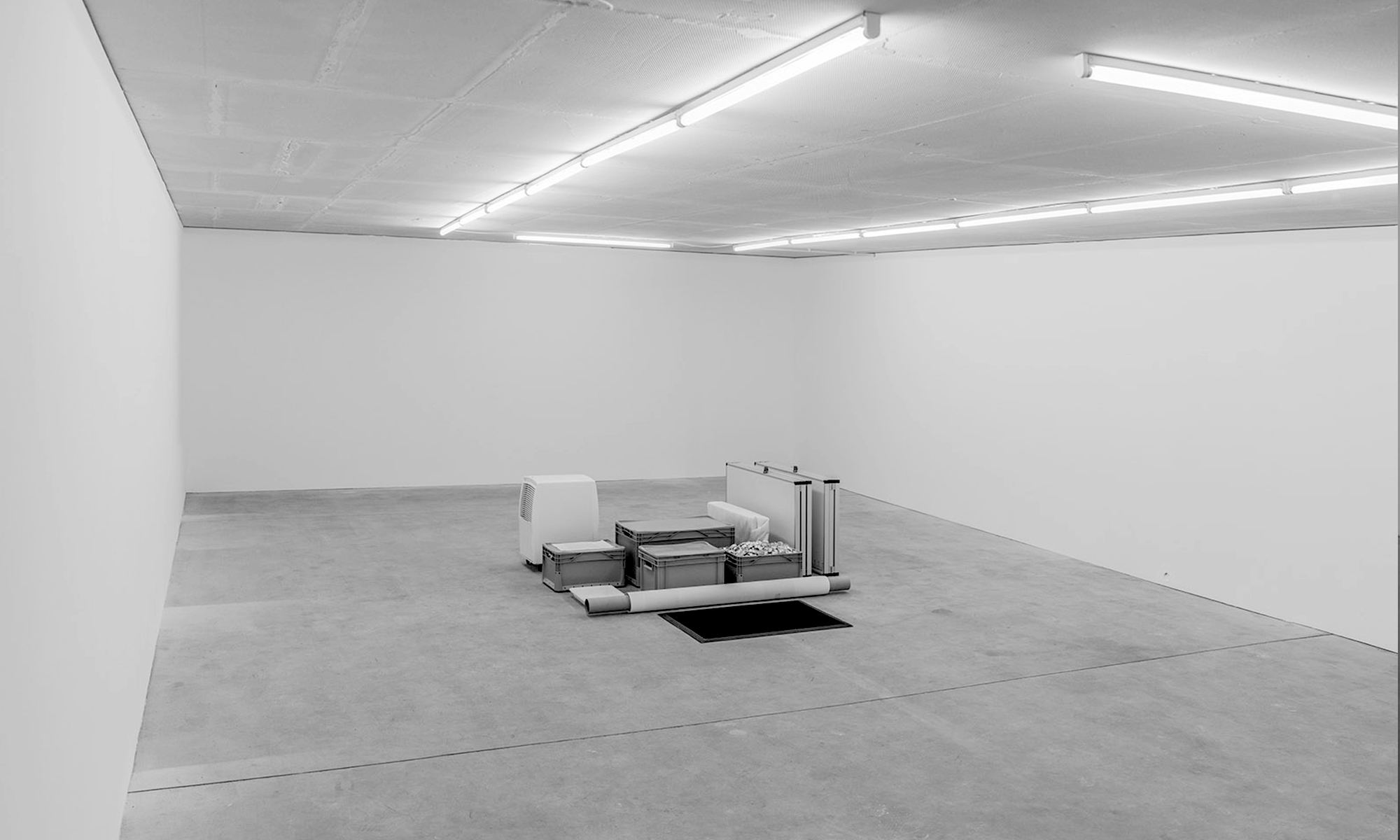
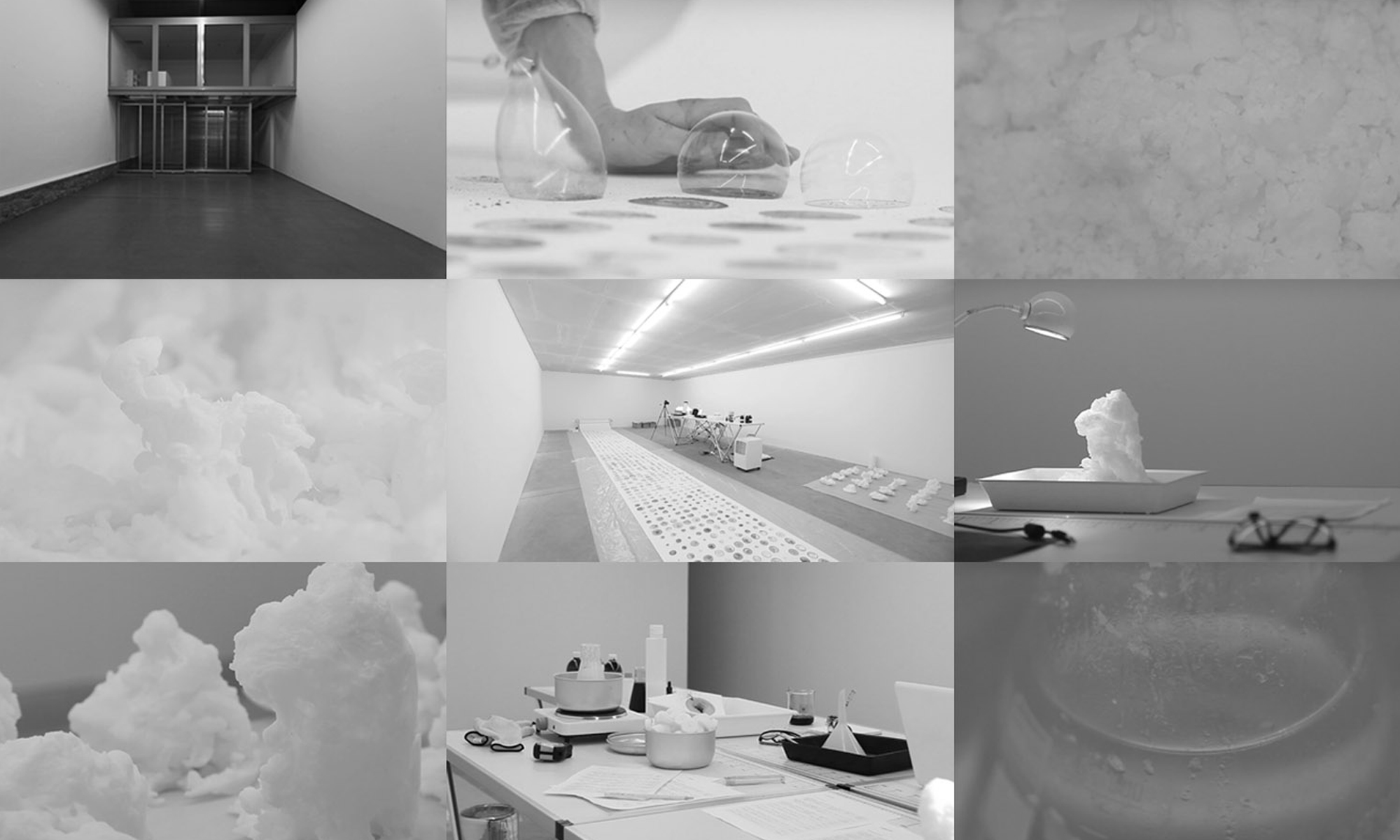
You enter what used to be Galerie EIGEN+ART Leipzig and feel, almost immediately, that something quietly radical has happened. The white cube has been gently murdered—or at least put to sleep for four days. Brian O’Doherty would have smiled that dry, conspiratorial smile of his. Here is a gallery that has decided, for a brief spell, not to be a gallery at all.
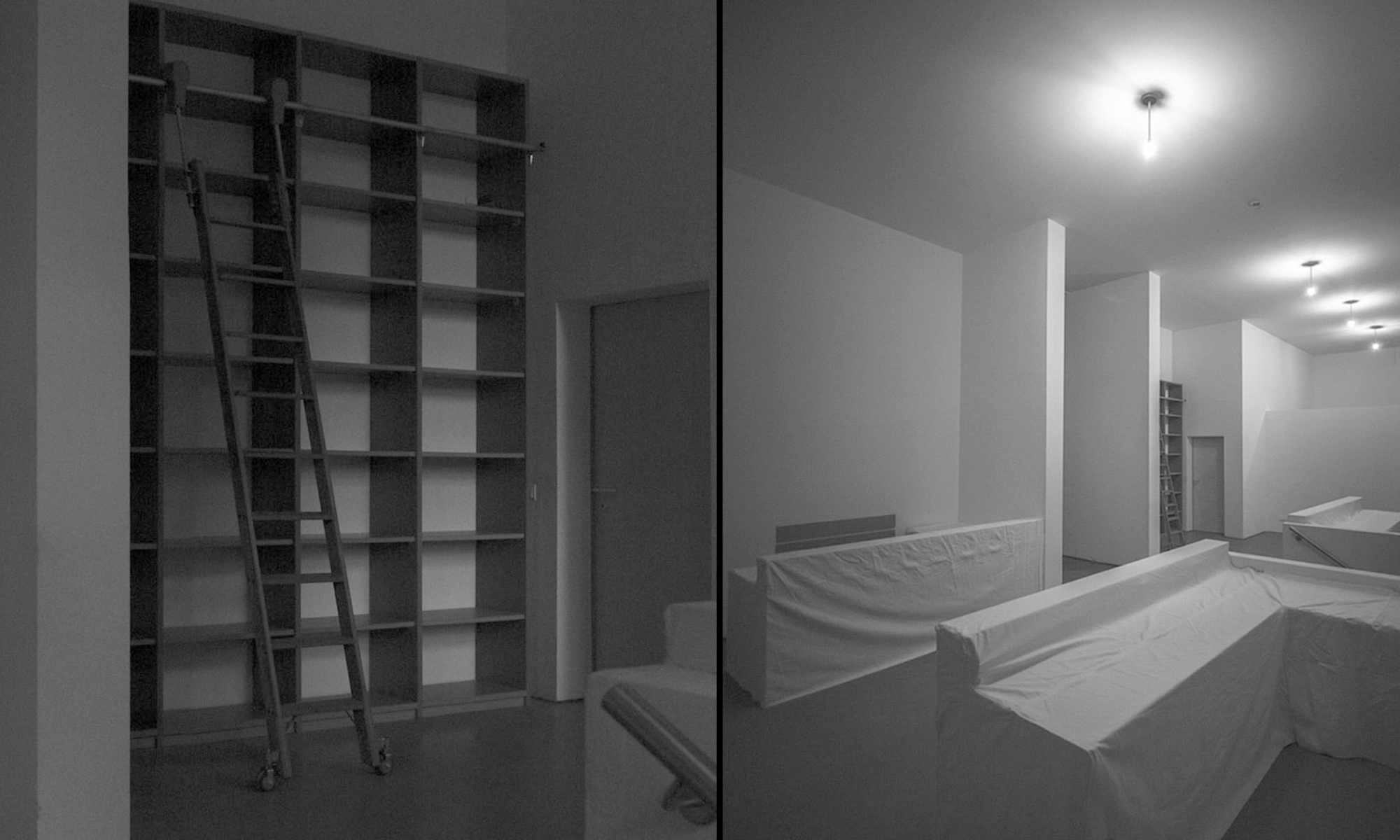
Martin Wühler has turned the place into LABOR A. The Latin laborare—to work, to toil—hangs in the air like a quiet rebuke to the event-spectacle that so much of today’s art world has become. No opening with champagne flutes and influencers, no spectacle to feed the market’s insatiable hunger for content. Instead, the artist has occupied the space as a working studio, a laboratory of process and ephemerality. The name plates of the gallery are gone. The books and catalogues have been cleared from the shelves. Desks wear crisp white fabric shrouds, like furniture in a house closed for the season. Even the gallerist’s office has been repurposed: its roof turned into a sleeping platform. One imagines the quiet exhaustion of real labor at the end of each day.
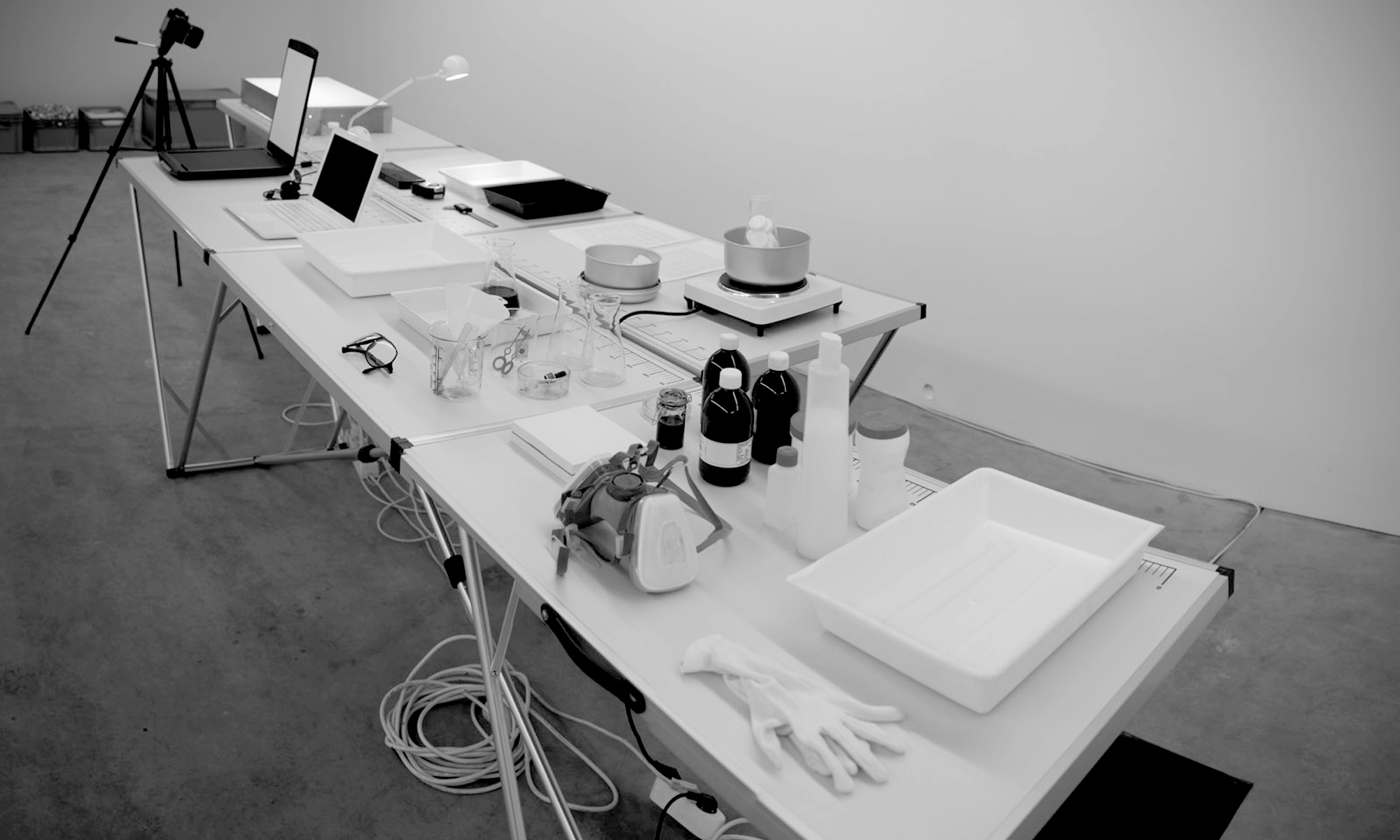
Down in the basement, the real alchemy begins. Wühler sets up what he calls a laboratory. On a long stretch of paper—ten meters by a meter and a half—he produces a meticulous grid of soap-bubble impressions, each cell ten by ten centimeters. The mixture of glycerin, soap solution, and Chinese ink catches the fragile, iridescent spheres at the moment of their burst, leaving ghostly, inky traces. They are beautiful in the way only something doomed can be: perfect circles of transience fixed, for a while, on paper.
Nearby, another ancient ritual unfolds: molten wax poured into ice water. This is molybdomancy (or its gentler sibling, ceromancy), the old divinatory practice of reading the future in the random shapes formed by rapidly cooling metal or wax. Traditionally done with lead on New Year’s Eve in parts of Northern and Central Europe, here Wühler uses wax—more fragile, less toxic, equally mysterious. The resulting forms are scanned, documented, and then deliberately destroyed. The gesture feels quietly devastating. In an art world obsessed with the permanent, monetizable object, Wühler insists on the opposite: the work exists most fully in its making and its unmaking.
This is institutional critique without the usual heavy breathing. Wühler doesn’t shout at the white cube; he simply inhabits it differently. By emptying it of its usual functions—commerce, display, self-importance—he reveals how loaded that supposed neutrality always was. O’Doherty taught us that the white cube is never innocent. Wühler shows us what it feels like when an artist temporarily reclaims it for actual work, for experiment, for sleep, and for a kind of modest, hands-on magic.
The results are not monumental. They are intimate, repetitive, slightly obsessive, and tinged with melancholy. Those soap-bubble grids and destroyed wax forms speak to the labor of art-making itself: the endless cycle of creation, capture, and loss. In four short days, Wühler reminds us that a gallery can still be a place where something real happens—something slower, quieter, and more human than the next fair booth or Instagram moment.
It doesn’t scream. It works. And in that working, it breathes.
Martin Wühler has turned the place into LABOR A. The Latin laborare—to work, to toil—hangs in the air like a quiet rebuke to the event-spectacle that so much of today’s art world has become. No opening with champagne flutes and influencers, no spectacle to feed the market’s insatiable hunger for content. Instead, the artist has occupied the space as a working studio, a laboratory of process and ephemerality. The name plates of the gallery are gone. The books and catalogues have been cleared from the shelves. Desks wear crisp white fabric shrouds, like furniture in a house closed for the season. Even the gallerist’s office has been repurposed: its roof turned into a sleeping platform. One imagines the quiet exhaustion of real labor at the end of each day.
Down in the basement, the real alchemy begins. Wühler sets up what he calls a laboratory. On a long stretch of paper—ten meters by a meter and a half—he produces a meticulous grid of soap-bubble impressions, each cell ten by ten centimeters. The mixture of glycerin, soap solution, and Chinese ink catches the fragile, iridescent spheres at the moment of their burst, leaving ghostly, inky traces. They are beautiful in the way only something doomed can be: perfect circles of transience fixed, for a while, on paper.
Nearby, another ancient ritual unfolds: molten wax poured into ice water. This is molybdomancy (or its gentler sibling, ceromancy), the old divinatory practice of reading the future in the random shapes formed by rapidly cooling metal or wax. Traditionally done with lead on New Year’s Eve in parts of Northern and Central Europe, here Wühler uses wax—more fragile, less toxic, equally mysterious. The resulting forms are scanned, documented, and then deliberately destroyed. The gesture feels quietly devastating. In an art world obsessed with the permanent, monetizable object, Wühler insists on the opposite: the work exists most fully in its making and its unmaking.
This is institutional critique without the usual heavy breathing. Wühler doesn’t shout at the white cube; he simply inhabits it differently. By emptying it of its usual functions—commerce, display, self-importance—he reveals how loaded that supposed neutrality always was. O’Doherty taught us that the white cube is never innocent. Wühler shows us what it feels like when an artist temporarily reclaims it for actual work, for experiment, for sleep, and for a kind of modest, hands-on magic.
The results are not monumental. They are intimate, repetitive, slightly obsessive, and tinged with melancholy. Those soap-bubble grids and destroyed wax forms speak to the labor of art-making itself: the endless cycle of creation, capture, and loss. In four short days, Wühler reminds us that a gallery can still be a place where something real happens—something slower, quieter, and more human than the next fair booth or Instagram moment.
It doesn’t scream. It works. And in that working, it breathes.