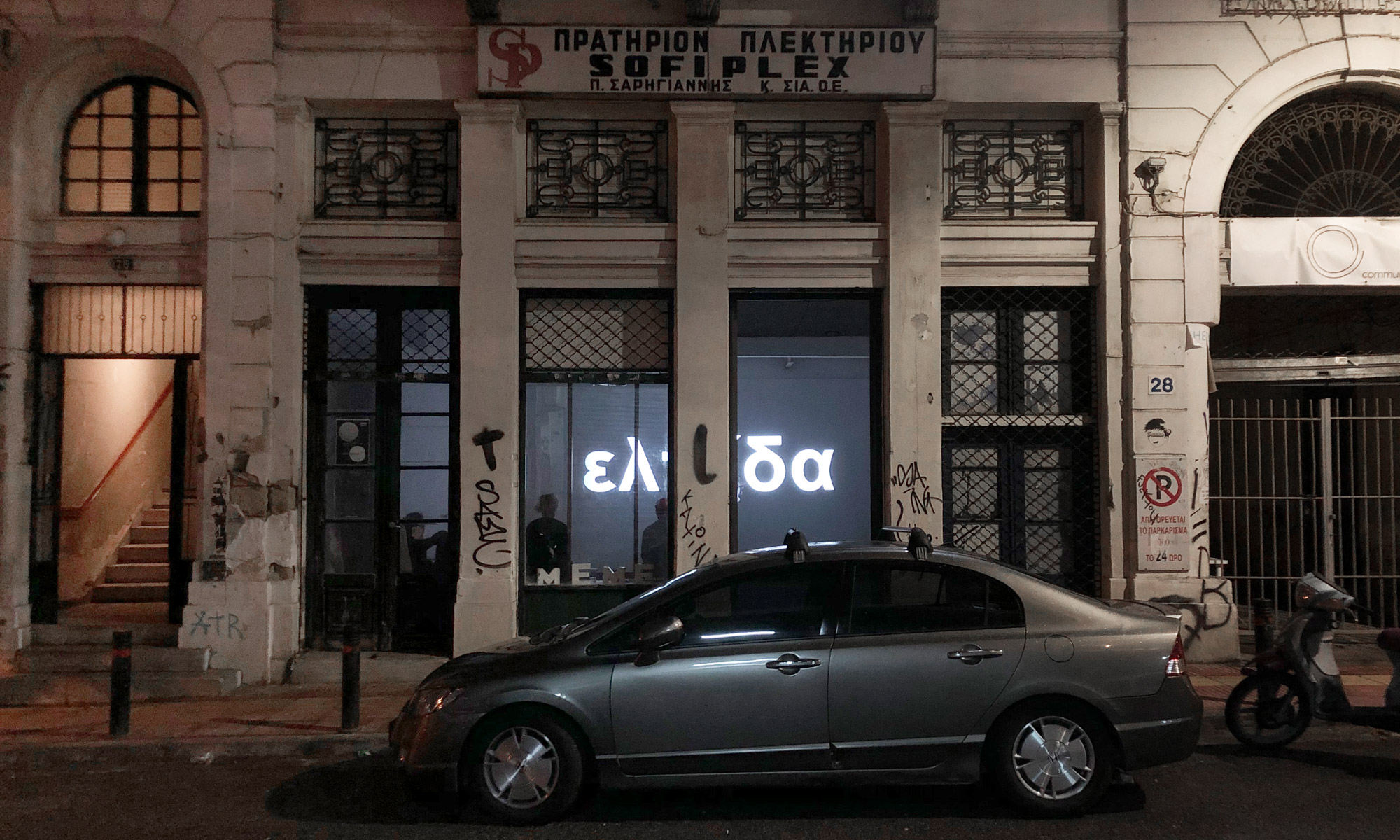
MEME Athens
Keramikou 28
Athens, Greece
30.10.2019 – 03.11.2019
Flaneur Festival
Haus der Kulturen der Welt
John-Foster-Dulles-Allee 10
D-10557 Berlin
31.08.2019
MEME Athens
Keramikou 28
Athens, Greece
30.10.2019 – 03.11.2019
Flaneur Festival
Haus der Kulturen der Welt
John-Foster-Dulles-Allee 10
D-10557 Berlin
31.08.2019
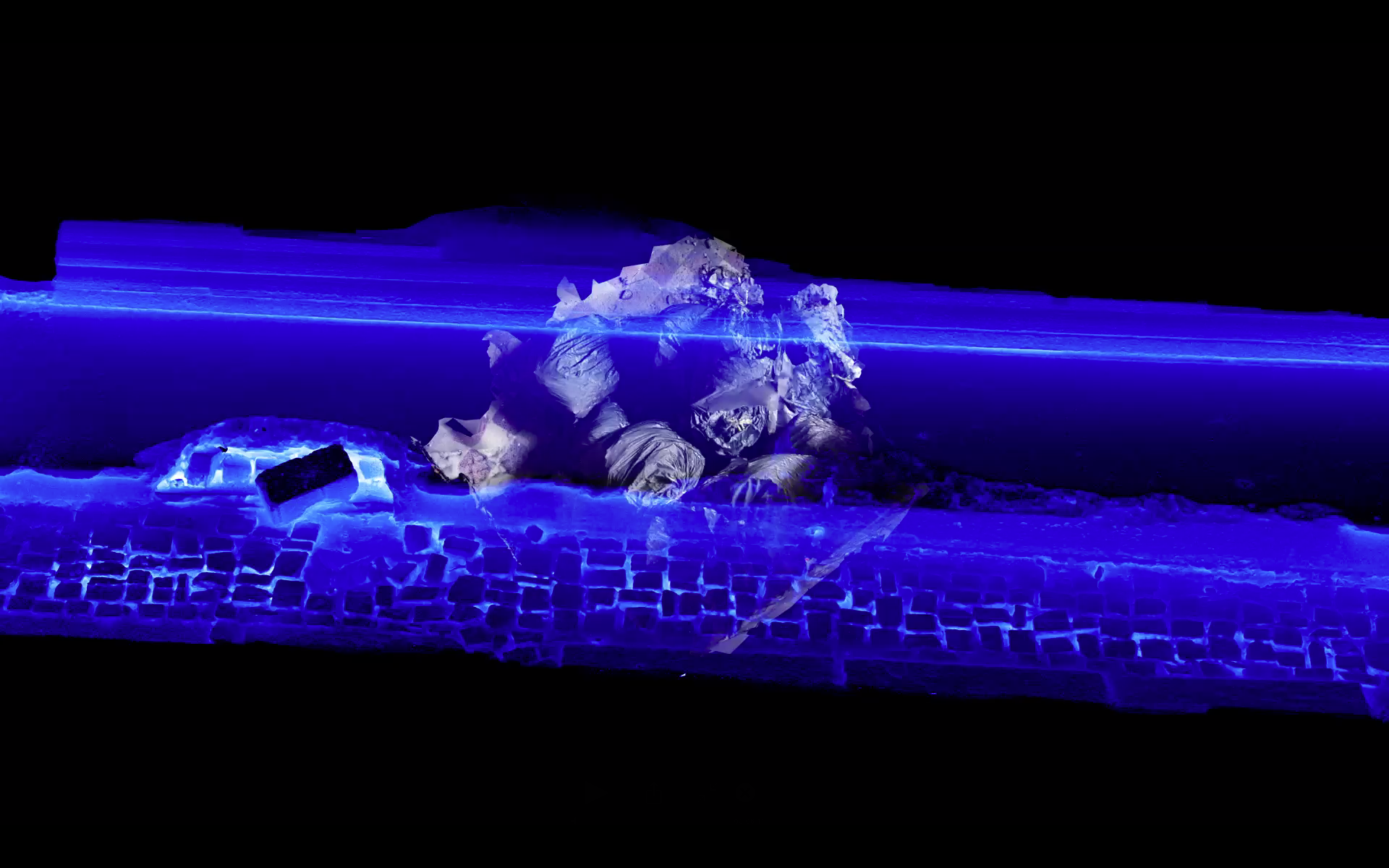
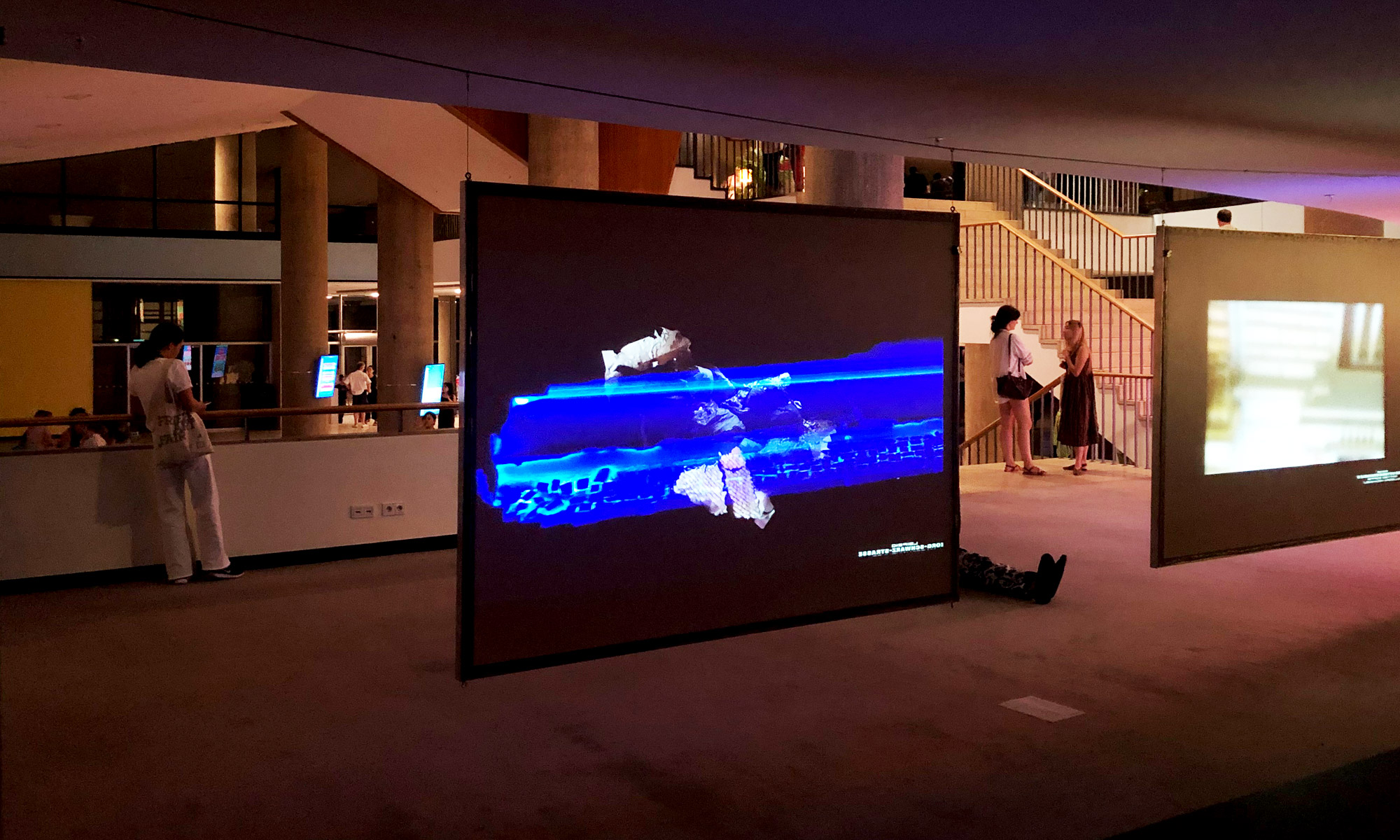
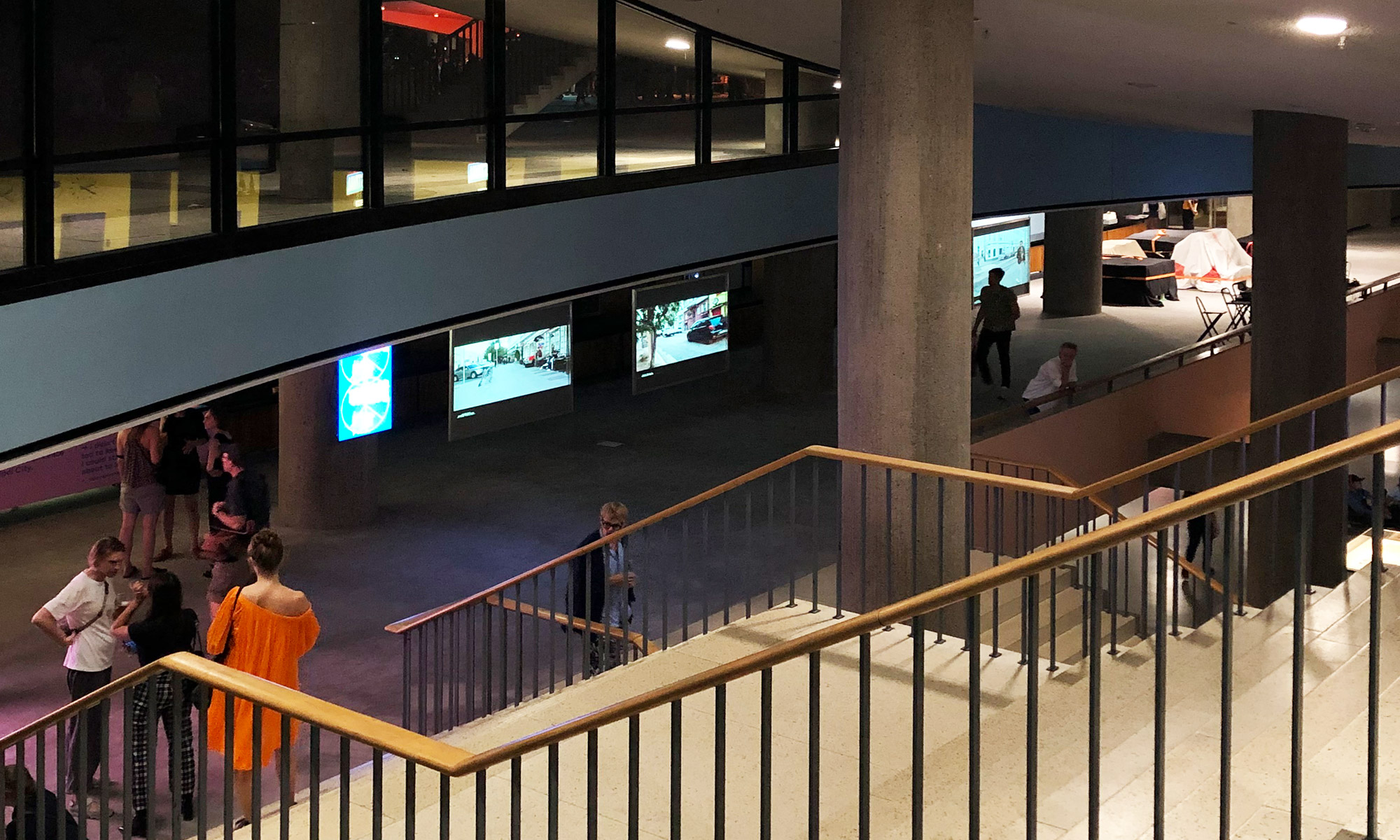
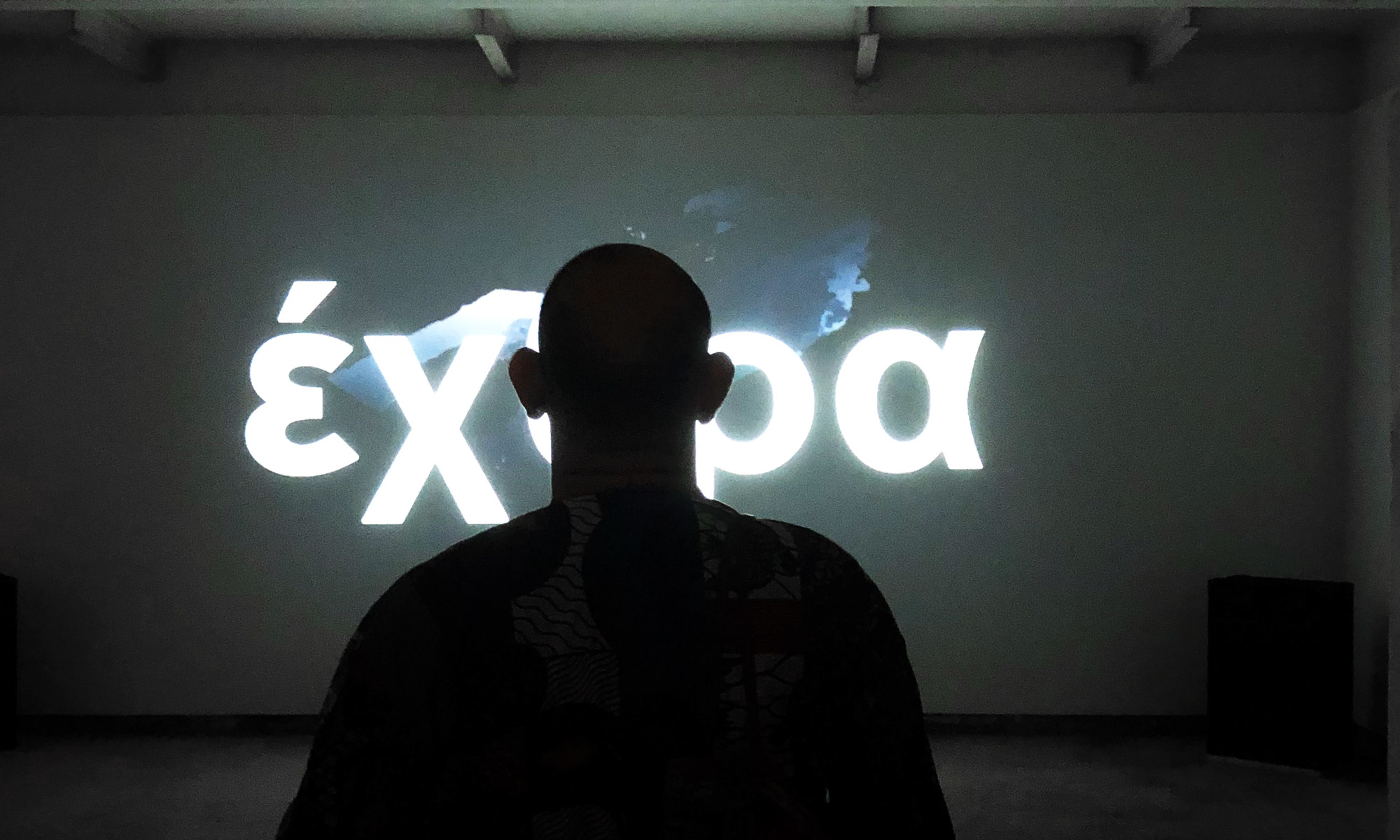
In the second issue of *Flaneur Magazin*, dedicated to Georg-Schwarz-Straße in Leipzig, Martin Wühler has created something far more ambitious than a mere visual companion. His video installation *FRANGERE* transforms the magazine’s literary and artistic contributions into a haunting, spatial archaeology of place. Where the printed pages offer reflections, stories, and observations, Wühler responds with 3D-scanned fragments of the actual street itself—digital relics that carry the weight of memory, decay, and quiet persistence.
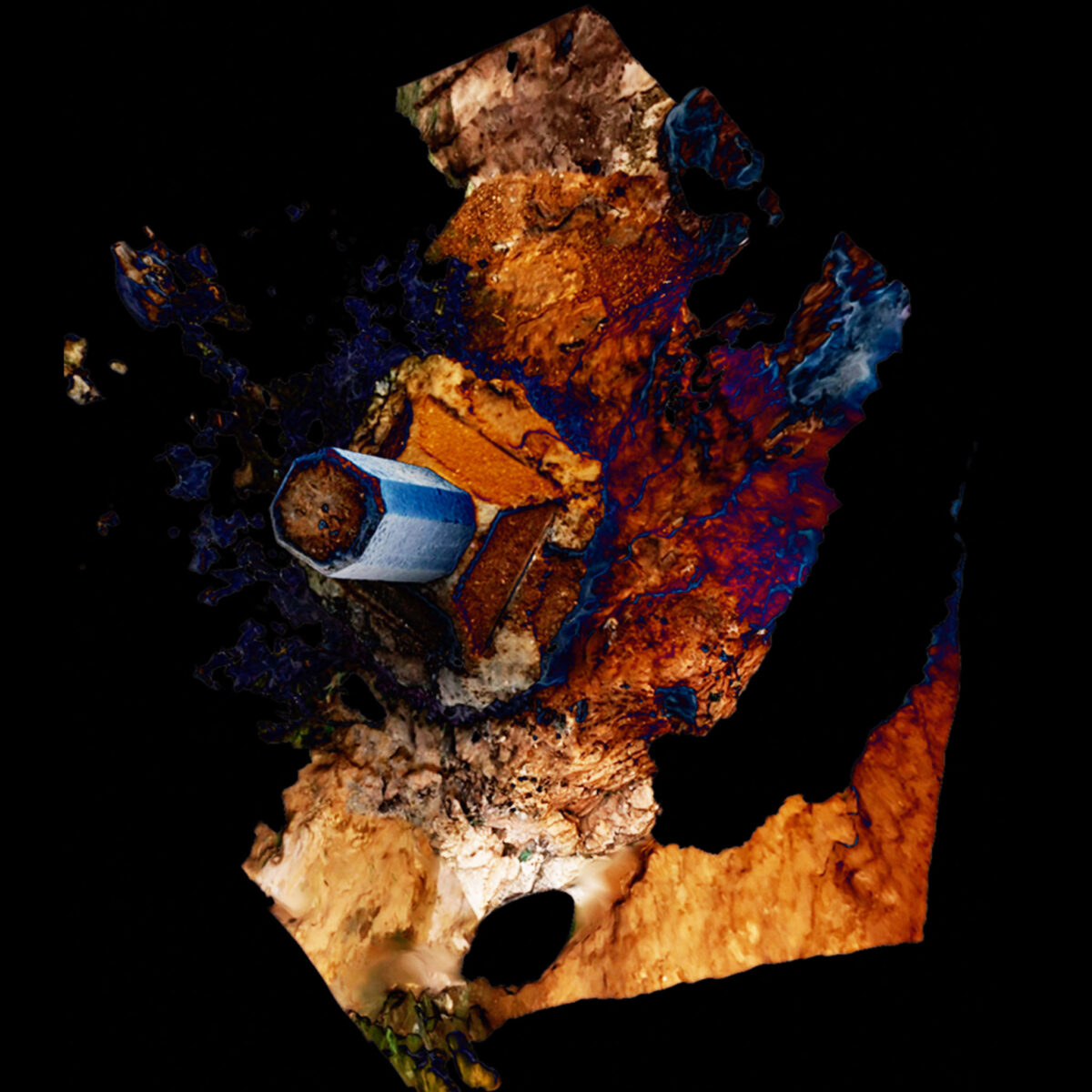
Each contribution in the magazine is paired with a precisely chosen location: the worn doorstep of Germany’s first Lichtspielhaus (cinema), where generations once stepped into flickering dreams; the rubble heap behind the “Strafbar,” a quiet monument to demolition and neglect; the makeshift sleeping place of a homeless resident, marked by cardboard and the invisible traces of survival; and the charred remains of a piano in the ruins of the historic Blüthner Pianofortefabrik, where music once rang out and now silence reigns amid blackened wood and twisted strings. These scanned sites are not mere illustrations. They are ghostly presences—rendered with a forensic yet poetic precision—that hover between documentation and elegy.
The work exists in multiple iterations. The first version was developed for the Flaneur Festival at the Haus der Kulturen der Welt in Berlin. A later, expanded iteration was realized for the exhibition at Meme in Athens. For the Greek presentation, staff from the art space ventured into the Keramikos quarter, scanning local sites that Wühler then wove into the existing Leipzig material. This act of cross-cultural scanning creates a powerful resonance: two streets, two cities, layered across one another. The installation becomes a meditation on how urban memory travels, how the texture of one place can echo in another.
Visually, the piece moves slowly, almost reverently, through these scanned environments. The 3D models retain the raw imperfections of their capture—glitches, incomplete surfaces, floating fragments—mirroring the incomplete, fractured nature of lived experience on any street. Wühler avoids clean, touristic representation. Instead, we are invited to drift through these digital ruins like flâneurs of the virtual realm, our gaze catching on details that the naked eye might miss: the texture of cracked pavement, the way light falls on a burnt piano frame, the intimate geometry of a threshold.
Accompanying the visuals is a rich, immersive soundscape. A composition for flute by Fabian Saul, titled *Gott allein die Ehre*, is performed with delicate intensity by Nadine Rangosch. Its sparse, contemplative tones float above and intertwine with synthesizer textures by Jonas Marc Anton Wehner, creating moments of both serenity and unease. Beneath and between these musical layers runs a subtle sound collage of ambient noises—distant traffic, footsteps, wind moving through ruins, fragments of conversation—gathered from the streets themselves. The result is a sonic palimpsest that deepens the installation’s sense of presence and absence.
Martin Wühler’s *FRANGERE* succeeds because it refuses to romanticize or simplify. It treats the urban fabric as something simultaneously material and ephemeral, local and universal. By scanning and re-composing these sites, Wühler gives us not just a portrait of Georg-Schwarz-Straße, but a meditation on how any street holds within it layers of history, loss, creativity, and everyday endurance. In an age of increasing digital detachment, his work reminds us that even virtual fragments can carry the profound weight of the real.